
Osteoarthritis Treatment in Little Rock, AR
What is Osteoarthritis?
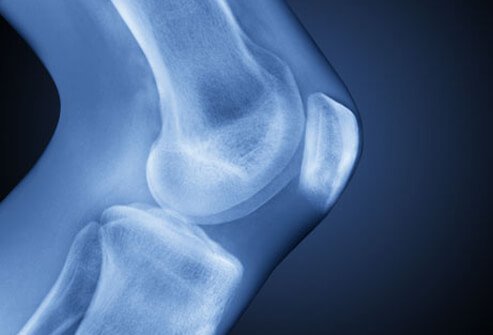
Osteoarthritis is the most common form of arthritis and is also called degenerative arthritis. This is when the cartilage in the joint has deteriorated by thinning and wearing away. The smooth rubbery cartilage that glides painlessly is gradually worn away to the point that exposed bone rubs against exposed bone. This results in stimulation of nerve endings and pain. Absence of cartilage is also mechanically irritating to the joint, and the joint lining makes extra joint fluid causing swelling of the joint.
Over time the joint will make extra bone at the edges of the osteoarthritic joint called osteophytes or ‘spurs’. This causes the joint to enlarge and to stiffen as the osteophytes can change the joint shape and block how far the joint can move.
How Is Osteoarthritis Treated?
Conservative treatment measures include modifying one’s activities and unloading the joint with cane, crutches or walker. Also supplemental glucosamine, Tylenol, anti-inflammatories, pain medications may help. Physical therapy to regain motion and strength and coordination is often helpful. Weight loss in the overweight patient is important.
Injections of corticosteroid can be helpful, but can be used only 3-4 times per year. ‘Viscosupplementation’ injections with hyaluronate (Synvisc) may also help. If successful, these may work for 6 months or longer.
A compartment –unloading brace for the knee can relieve pain and delay progression of knee arthritis.
When all these measures are not working, then surgery may be recommended.
If the joint damage is in a very small, localized area, possible options include:
- A localized transplant of bone and cartilage
- A micro-fracture technique to encourage ‘scar-cartilage’ to grow
In most cases the joint damage involves larger areas and some form of realignment or resurfacing is recommended:
- Realignment osteotomy of the knee
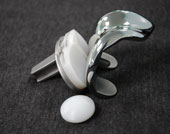
- Partial replacement of the joint such as a Uni-compartmental replacement of the knee
- Total Joint Replacement of hip or knee
See What Our Patients Are Saying!
I have had a wonderful experience with this organization. The staff and Physician Group compare to none other in The State of Arkansas. I trust Ortho Arkansas with all my Orthopedic Care. – Tyler B.”
Read more patient testimonials here!
Call Dr. Newbern For Osteoarthritis Treatment In Little Rock!
For more information or to schedule an appointment with Ortho Arkansas Speciality Orthopaedics call us today at 501-663-3647 or fill out an online contact form and we will reach out to you as soon as possible. Dr. Newbern can and his skilled team look forward to providing you with the care and attention you deserve!
Why Choose Dr. Newbern?
- Care is matched to the stage of arthritis. Osteoarthritis does not automatically mean surgery. Dr. Newbern emphasizes symptom control and joint preservation when those options are still appropriate, with replacement reserved for patients whose arthritis has become sufficiently advanced.
- Hip and knee specialization helps distinguish the real pain generator. Pain around the hip or knee can come from several sources. Dr. Newbern’s adult-reconstruction expertise is focused on identifying joint degeneration and determining whether symptoms and imaging truly match.
- A broad nonsurgical toolkit can be considered first. Depending on the joint and the patient, treatment may include activity changes, physical therapy, weight management, medications, walking aids, bracing, or selected injections.
- When replacement is appropriate, planning is individualized. Partial versus total replacement, alignment strategy, implant considerations, medical readiness, and recovery goals can all be discussed according to the patient’s specific pattern of arthritis and lifestyle needs.
Frequently Asked Questions
What are the most common symptoms of osteoarthritis in the hip or knee?
Common symptoms include activity-related pain, stiffness after rest, swelling, decreased motion, difficulty walking, and progressive limits on everyday activities. Hip arthritis can also cause groin or thigh pain, while knee arthritis may cause swelling, deformity, or instability.
How do I know when arthritis is severe enough for joint replacement?
There is no single X-ray finding or pain score that decides this. Replacement is usually considered when symptoms significantly affect quality of life and appropriate nonsurgical treatments no longer provide acceptable relief.
Can physical therapy help if I already have arthritis?
Yes. Therapy cannot regrow lost cartilage, but improving strength, flexibility, balance, and movement patterns can reduce stress on the joint and improve function for many patients.
Is total joint replacement the only surgical option for osteoarthritis?
Not always. In selected patients, procedures such as osteotomy or partial knee replacement may be options when disease is limited to a specific part of the joint. The extent and location of damage determine which procedures are reasonable.